The Slippery Slope
Lubricants When Trying to Conceive (TTC)
In my consulting rooms, I often talk to couples about the logistics of "trying." We all know that making a baby is supposed to be romantic and spontaneous, but the reality of TTC can often feel like the opposite. When intercourse becomes scheduled around an ovulation app, it can sometimes feel a bit like a chore.
The pressure to perform during the "fertile window" is real. In fact, studies have found that couples who are trying to conceive experience vaginal dryness at a rate of up to double the average. Consequently, many couples reach for the lubricant.
But before you reach for that bottle on the bedside table, we need to have a chat about what is inside it. As a CREI fertility specialist, my job is to help you optimise every single variable in your reproductive journey—and yes, that includes your choice of lube. Not all lubricants are created equal, and some can significantly impact sperm motility (the ability of sperm to swim).
Here is a breakdown of the different types of lubricants and how they interact with your fertility.
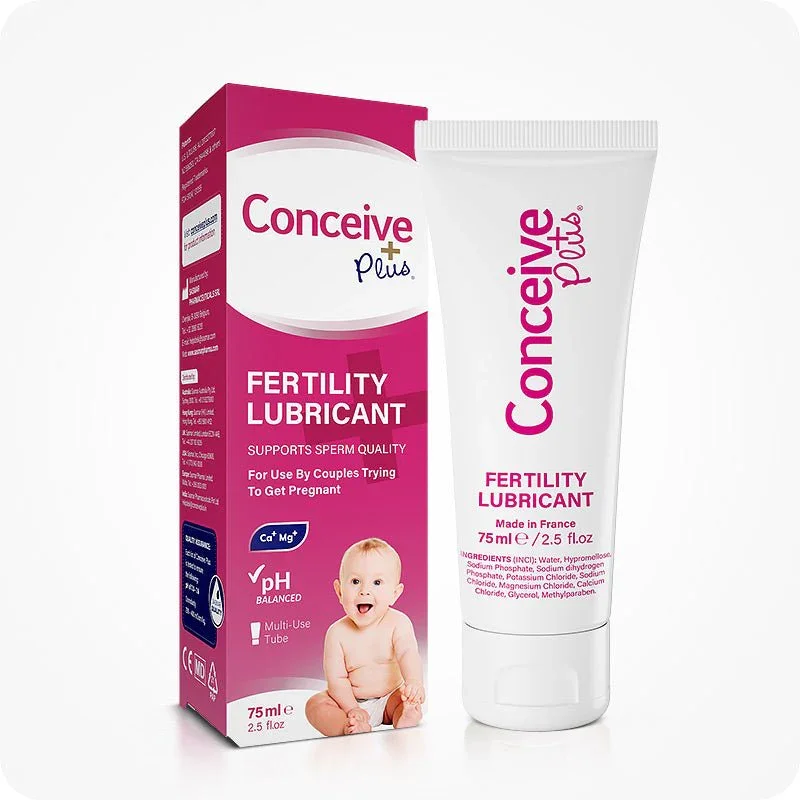
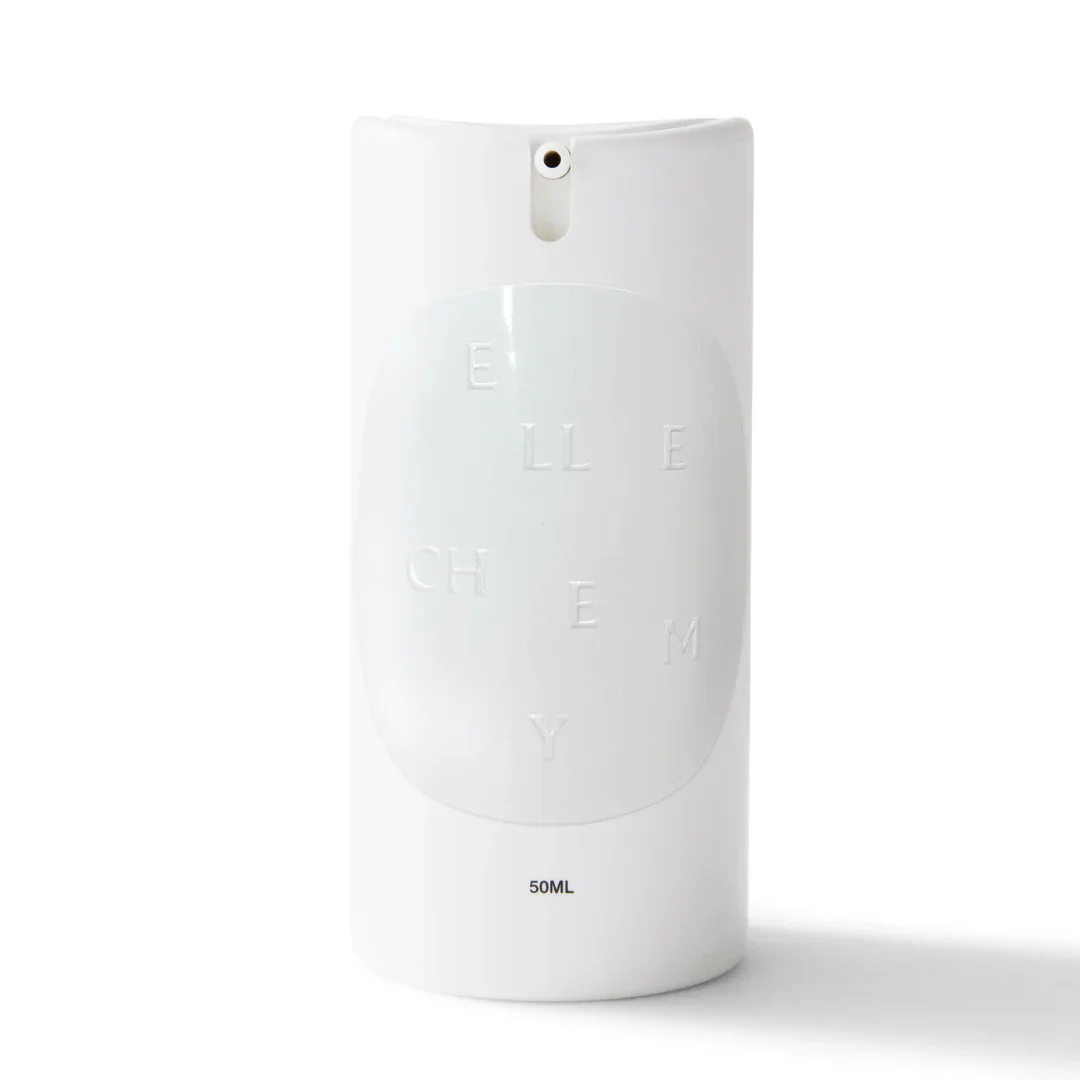
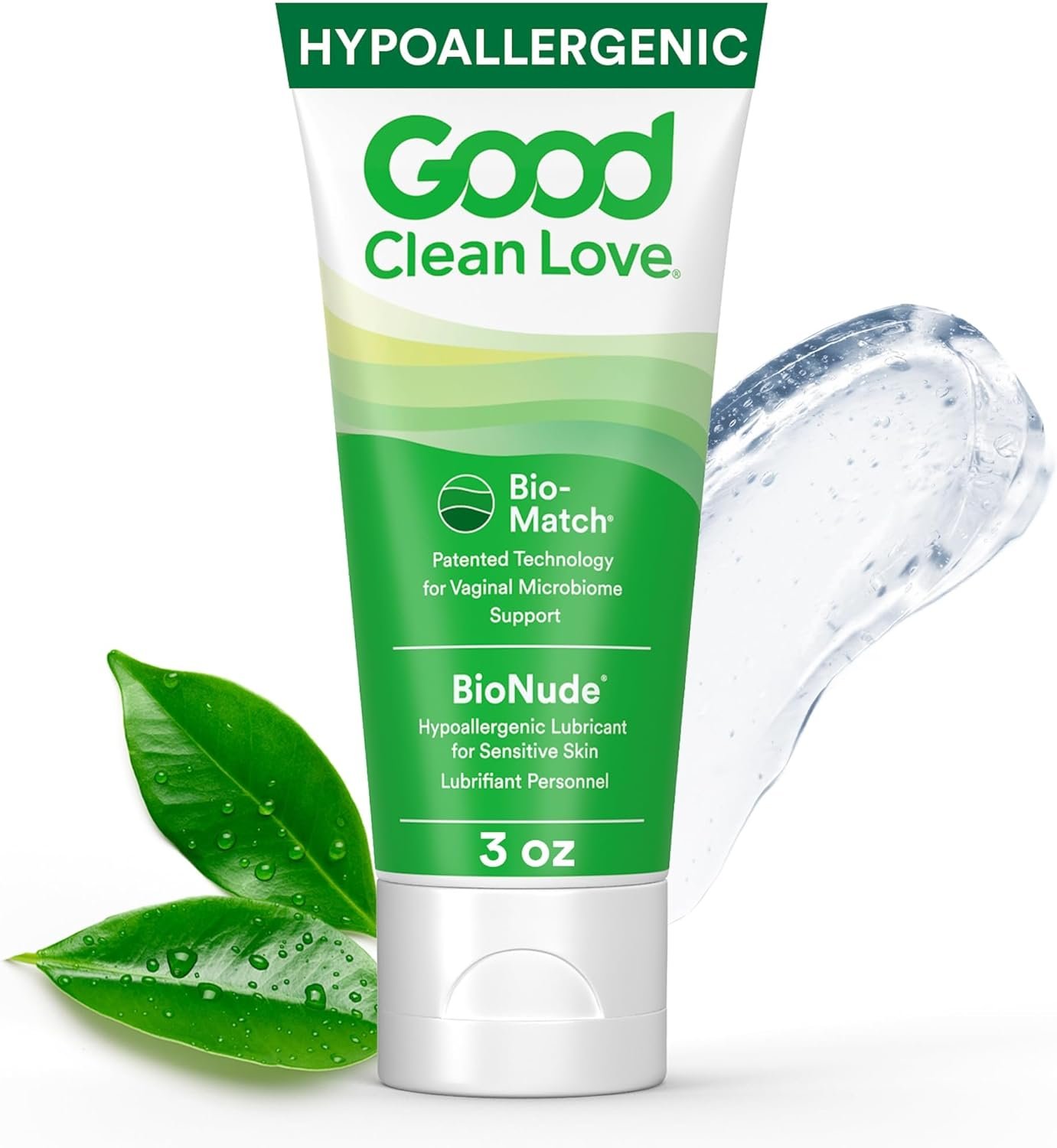
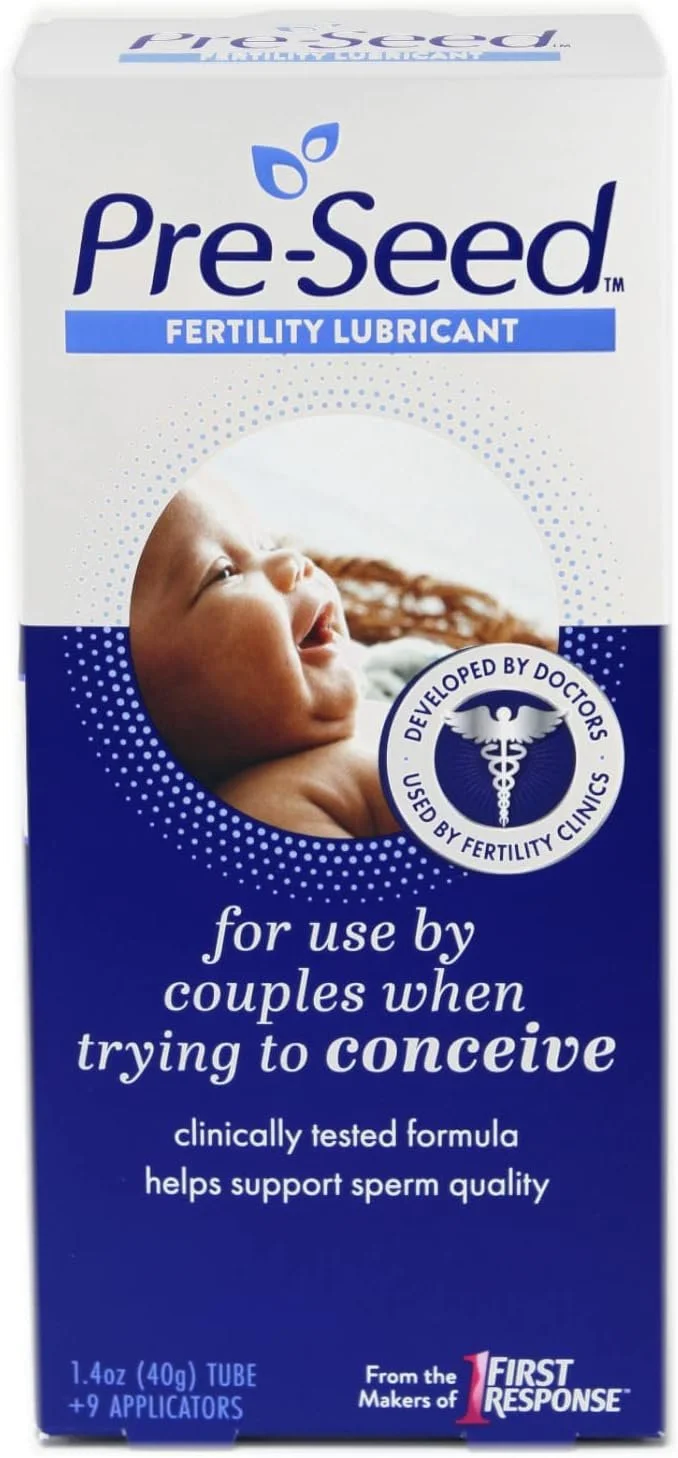
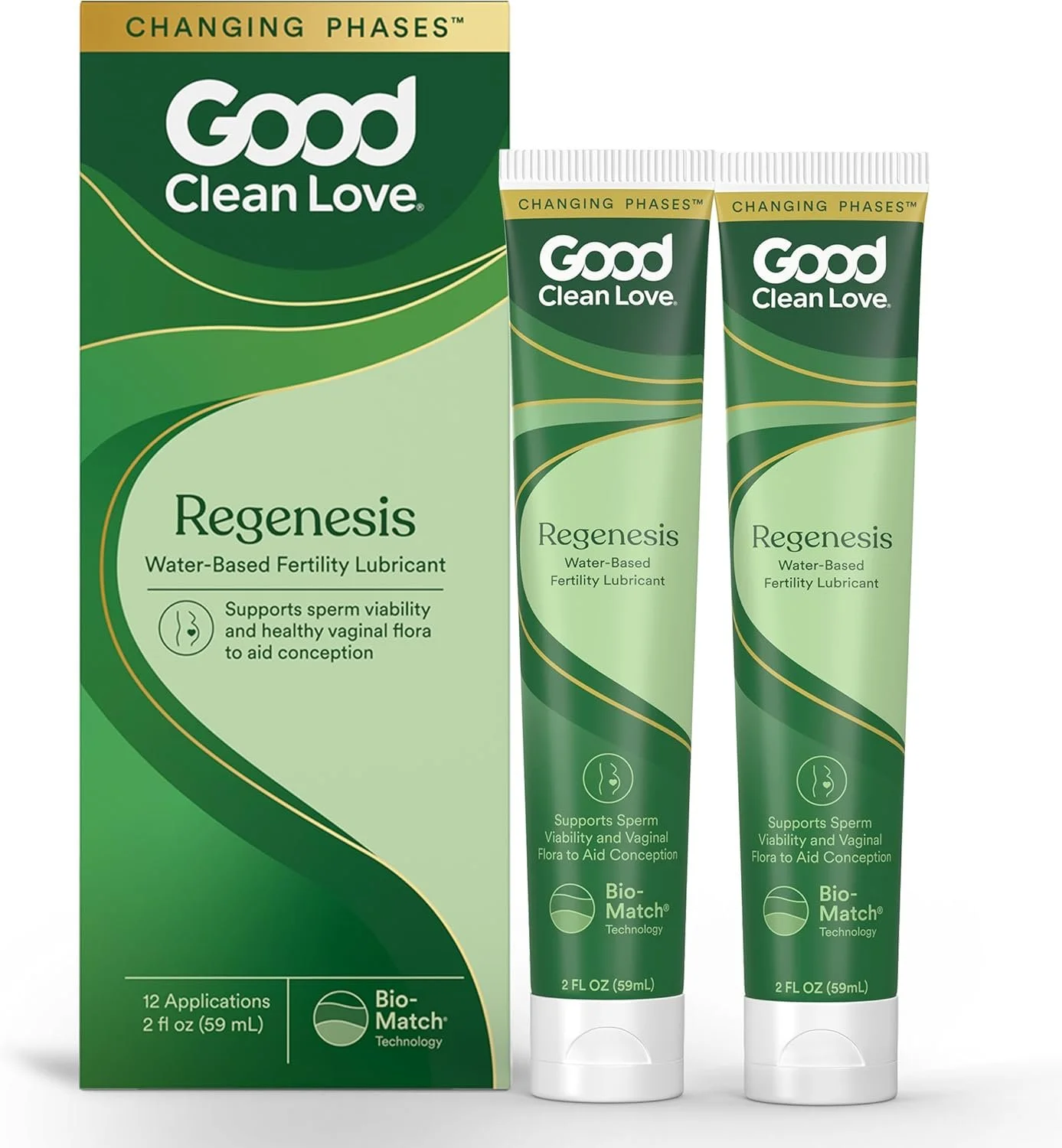
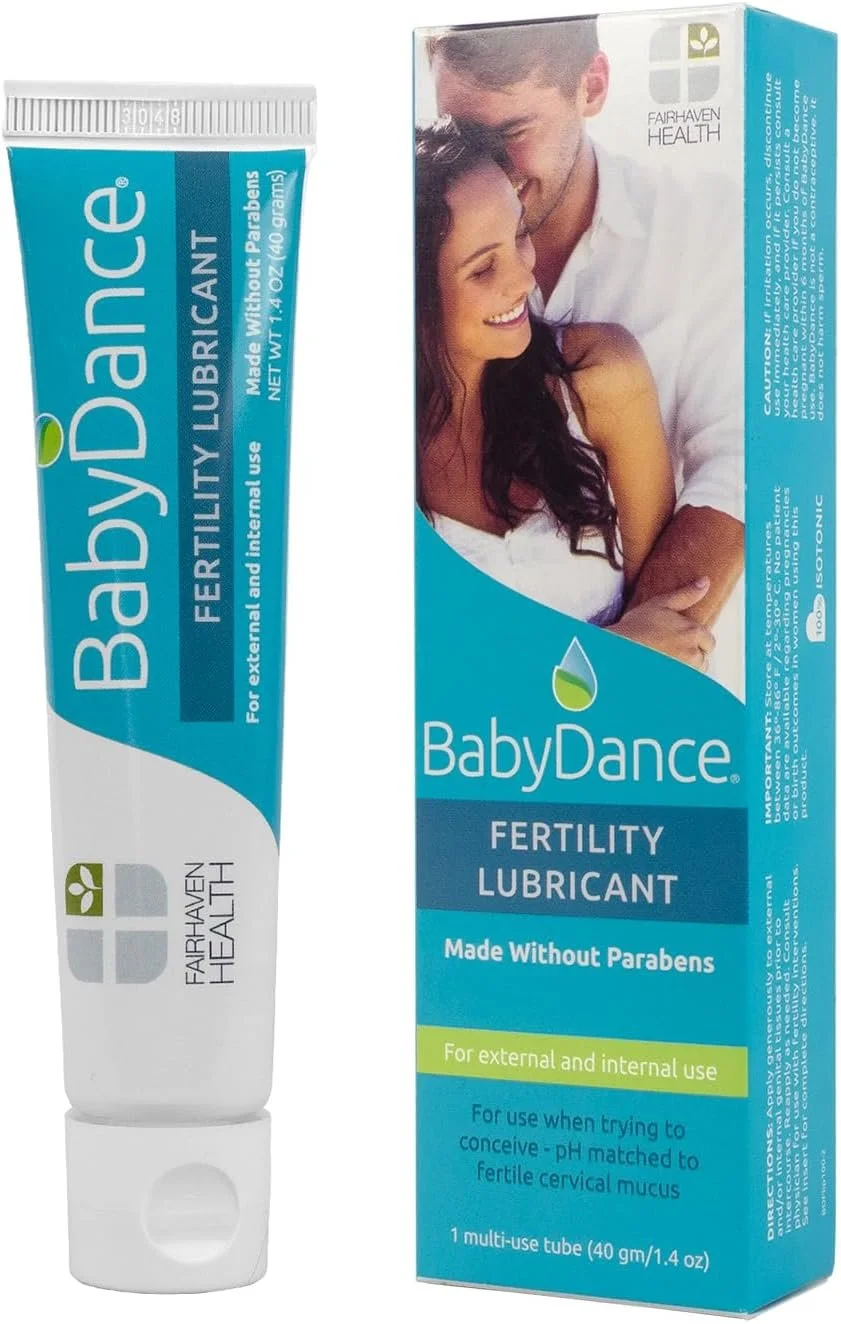
1. Fertility-friendly (TTC-approved) lubricants
These are often considered the "gold standard" for couples trying to conceive. While no lubricant can guarantee a pregnancy, these products are specifically formulated to claim they do not decrease sperm motility.
Most fertility-friendly lubes are water-based and use hydroxyethylcellulose as a main ingredient. This is significant because it chemically resembles the vagina’s natural fertile cervical mucus. These lubricants are pH-balanced to match the vaginal environment, designed to allow sperm to move freely rather than creating a barrier or a hostile chemical environment.
2. Standard water-based lubricants
Water-based lubricants are the most common type you will find at the pharmacy. They are popular because they are versatile, generally leave less residue than silicone options, wash off easily, and are safe to use with silicone sex toys.
However, from a fertility perspective, the data is mixed. In laboratory settings (in vitro), standard water-based lubricants have shown inhibiting effects on sperm motility. However, some studies looking at real-world couples suggest that in practice, using these lubricants wasn't necessarily associated with a reduction in actual pregnancy rates. The theory is that sperm are exposed to the lube for a shorter time during intercourse than they are during rigorous lab testing.
My advice: While they may not be a definitive contraceptive, if you are dealing with sub-fertility or male factor issues, I generally recommend swapping these for a specifically "fertility-friendly" option to remove any potential barriers.
3. Silicone-based lubricants
Silicone lubricants are designed for long-lasting lubrication. They are often used because they don't dry out as quickly as water-based options.
However, similar to standard water-based lubes, silicone has been found to inhibit sperm movement in laboratory tests. While some real-life studies haven't shown a definitive reduction in fertility for the average couple, silicone can be messy, staining sheets and degrading silicone toys. Given the availability of better options, this is usually not my first choice for patients actively trying to conceive.
4. The "Natural" Oils (kitchen cupboard options)
I often have patients ask if natural oils are a safer alternative to synthetic products. The answer is nuanced—just because it is edible doesn't mean it belongs in the bedroom when TTC.
• Canola Oil: Technically, canola oil does not impede sperm function and is considered sperm-friendly. However, it is known to clog pores, which can increase the risk of vaginal infections or yeast infections.
• Olive Oil: Like canola, this is generally safe for sperm, but it is not great for vaginal health and should not be used with silicone products.
• Baby Oil: Surprisingly, while considered sperm-friendly in terms of motility, baby oil is difficult to wash off, damages latex condoms and sex toys, and carries an increased risk of infection.
5. Saliva
A very common misconception is that saliva is the best "natural" alternative. Unfortunately, this is a myth we need to bust immediately.
Saliva contains digestive enzymes that are actually detrimental to sperm. Research suggests that saliva decreases sperm motility, particularly in couples already struggling with fertility. Even when diluted, saliva can adversely affect sperm velocity. If you are trying to get pregnant, please avoid using saliva as a lubricant.
6. Spermicidal lubricants
This might seem obvious, but it is worth checking the label. Spermicidal lubes contain ingredients like nonoxynol-9, which are designed specifically to harm sperm and prevent pregnancy. They are about 72% effective at preventing pregnancy. Ensure you are not accidentally using a product left over from a time when you were trying not to conceive.
The Takeaway
If you have been trying for a while without success, take a look at what is in your bedside drawer.
While the "Lab vs. Life" debate continues regarding standard lubricants, as a specialist, my view is: why take the risk? If we know a substance slows sperm down in a dish, it makes sense to avoid it when we are trying to maximise your chances.
Dr Kath’s recommendation: If you need lubrication (and many women do) be selective.
1. Avoid saliva and standard supermarket jellies.
2. Choose a designated "Fertility-Friendly" lubricant (hydroxyethylcellulose-based) that mimics natural cervical mucus.
3. Check for "sperm-friendly" labelling on the packaging.
If you have questions about your cycle or want to discuss your fertility in more depth, please book a consultation. Let’s make sure you have the best team—and the right tools—on your side.
Dr Kath Whitton is a CREI-certified Fertility Specialist based in Sydney.